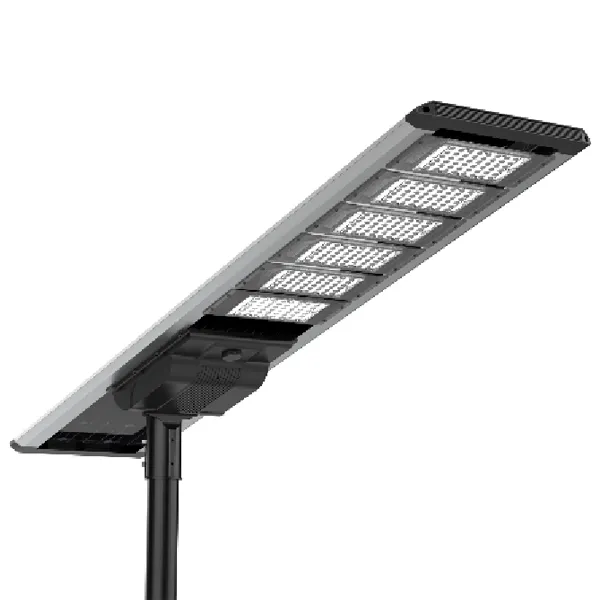
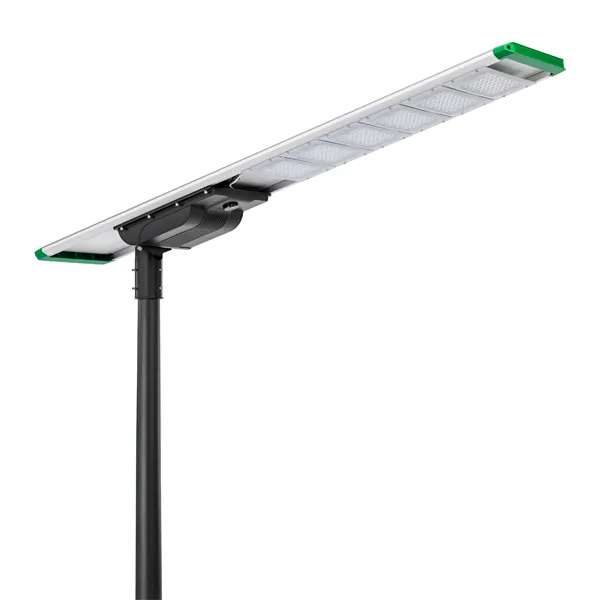
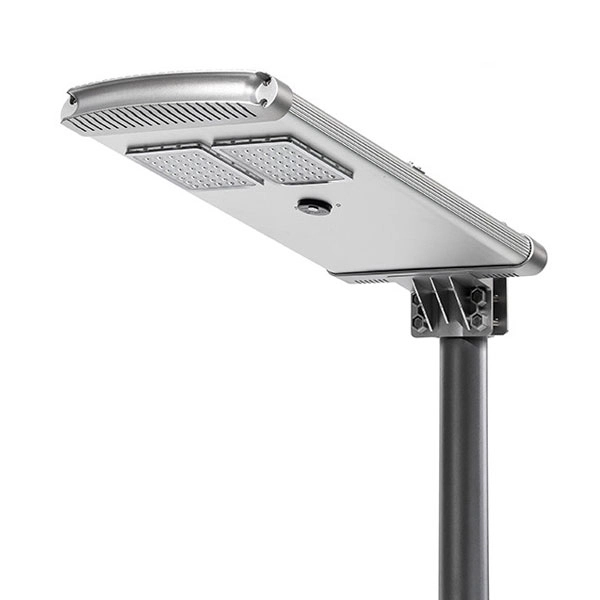
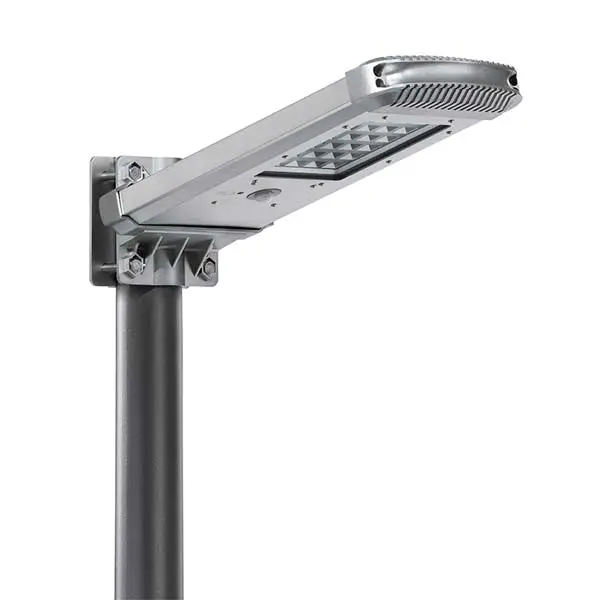
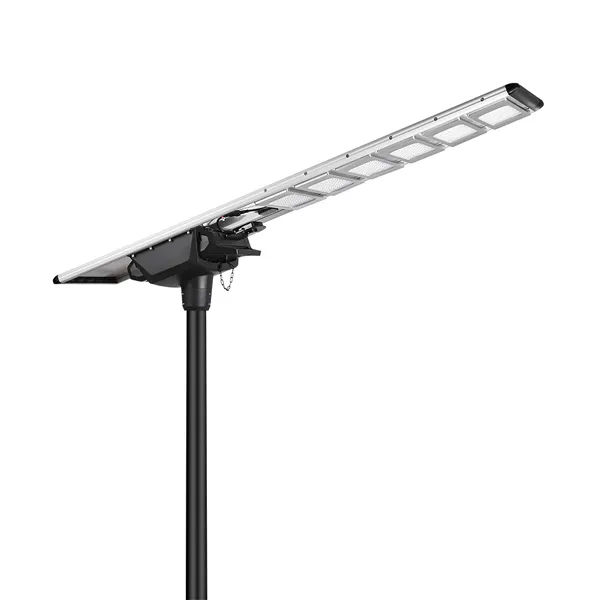
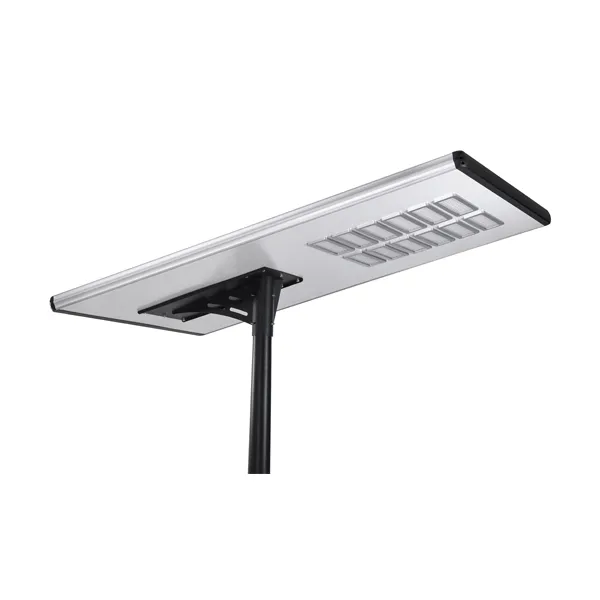
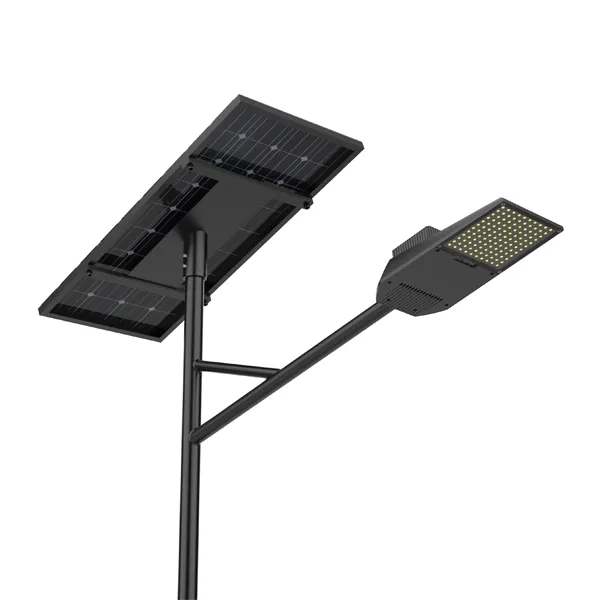
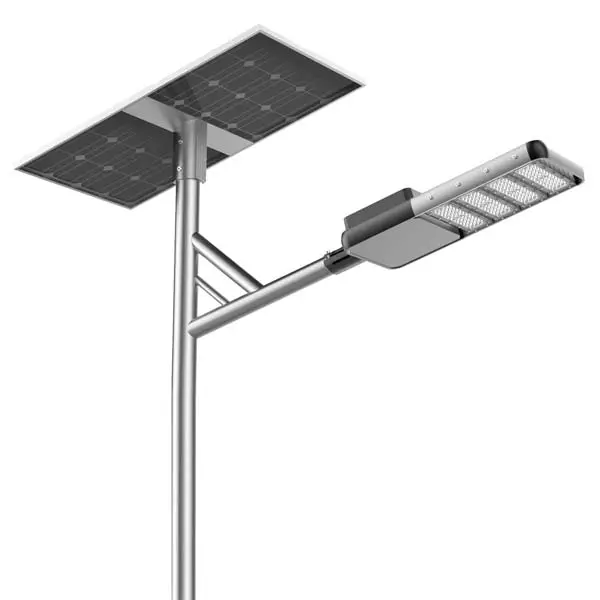
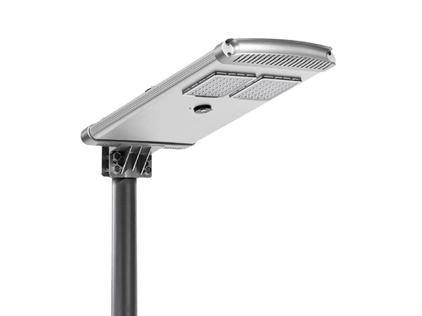
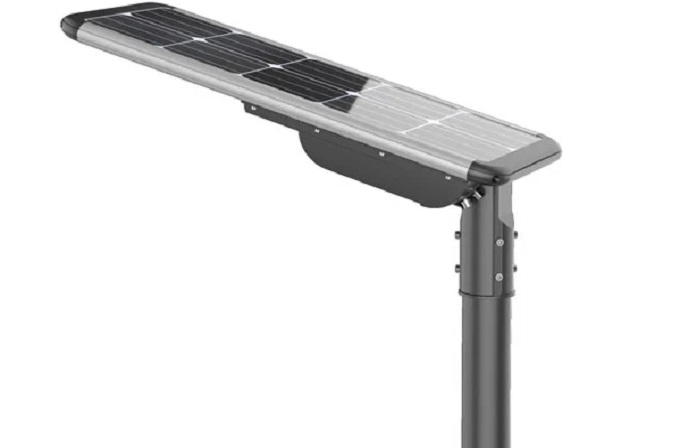
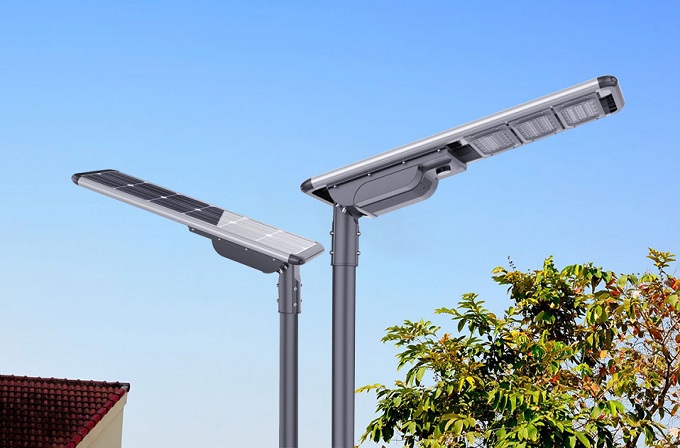
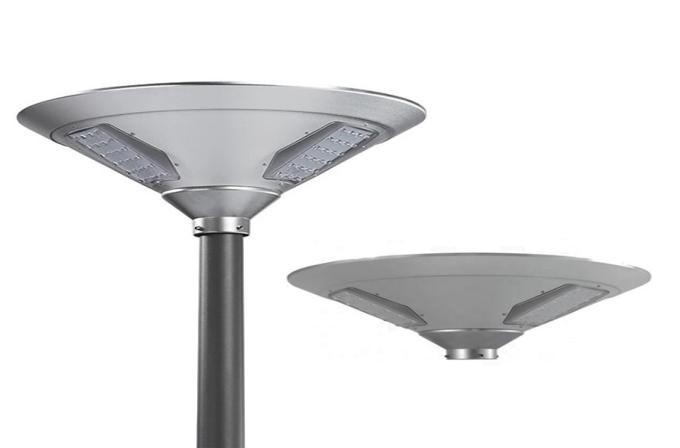
As the demand for clean and sustainable energy sources continues to grow, the solar lighting industry, particularly the 100W LED solar street light factory, is experiencing significant advancements. With a focus on energy efficiency, environmental sustainability, and long-term cost-effectiveness, this factory is evolving to meet the changing needs of global infrastructure projects. In this article, we will explore the key development trends in the 100W LED solar street light factory sector.
The primary development trend in the 100W LED solar street light factory is the continuous improvement of LED technology and solar energy integration. LED technology is increasingly efficient, offering higher brightness while consuming less power. As energy-saving initiatives gain traction, the 100W LED solar street light factory is adopting cutting-edge technologies, including:
Higher lumen output with lower energy consumption
Advanced solar panels for better energy absorption
Integration of smart sensors and dimming functions to optimize power usage
These advancements not only make the street lights more efficient but also extend the lifespan of the lighting systems, contributing to reduced maintenance and operational costs.
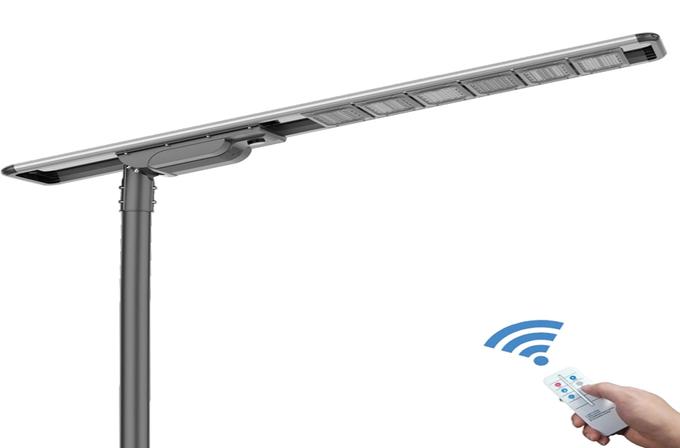
As urban landscapes and lighting requirements vary, the 100W LED solar street light factory is focusing on offering more customized solutions. This trend is driven by the demand for aesthetically pleasing, functional, and adaptable street lighting systems. Some of the key areas of focus include:
| Customization Feature | Description |
|---|---|
| Adjustable Brightness | Allows users to adjust light intensity based on needs |
| Flexible Pole Height | Tailored solutions to fit specific urban planning needs |
| Modular Design | Customizable units for easy upgrades and component replacement |
| Color Temperature Options | Offering different color temperatures to suit various environments |
Customization allows cities and municipalities to deploy street lights that not only meet lighting requirements but also align with local aesthetics and functional needs.
Environmental consciousness is a driving force behind the development of the 100W LED solar street light factory. This factory is increasingly using eco-friendly materials in the manufacturing process, such as recyclable aluminum, sustainable plastics, and non-toxic batteries. Additionally, the factory is striving to reduce its carbon footprint by:
Utilizing energy-efficient production methods
Using recyclable or biodegradable packaging
Designing products for easy disassembly and recycling at the end of life
By prioritizing sustainability, the 100W LED solar street light factory is not only meeting regulatory standards but also aligning with global environmental goals.
The future of the 100W LED solar street light factory lies in the integration of smart technology and Internet of Things (IoT) capabilities. These technologies enhance the performance, efficiency, and monitoring of solar street lights. Key trends include:
Smart Sensors: Detecting motion, weather conditions, and light levels to automatically adjust the lighting.
Remote Monitoring: Allowing municipalities to monitor and control street lights via apps or cloud-based platforms.
Predictive Maintenance: Using IoT to predict failures and schedule maintenance, thus reducing downtime.
This evolution enables the 100W LED solar street light factory to offer highly automated and efficient lighting systems that significantly lower energy consumption and maintenance costs while improving street safety.
As the 100W LED solar street light factory sector evolves, JKCSOLAR stands at the forefront of this transformation. With a commitment to cutting-edge technology, sustainable practices, and exceptional customer service, JKCSOLAR provides top-tier solar lighting solutions that meet the growing needs of global infrastructure. Whether it's integrating the latest advancements in solar energy or offering customizable street lighting solutions, JKCSOLAR is your trusted partner for reliable and efficient outdoor lighting systems.
 EN
EN
 ja
ja  fr
fr  de
de  es
es  pt
pt  ar
ar  tr
tr  tl
tl  ms
ms  id
id