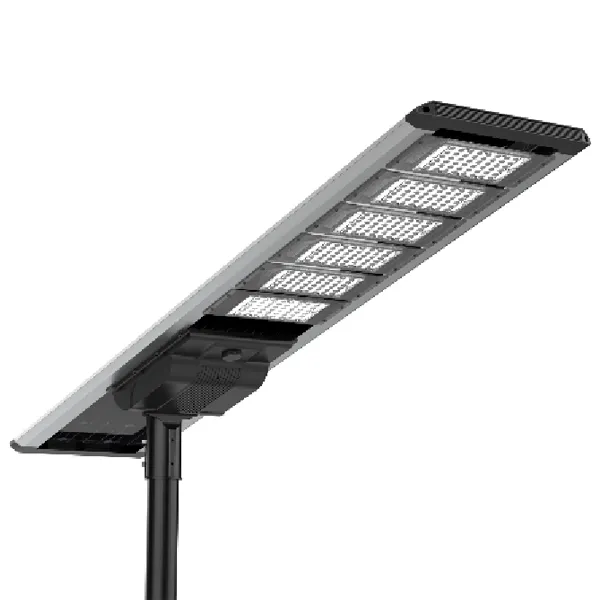
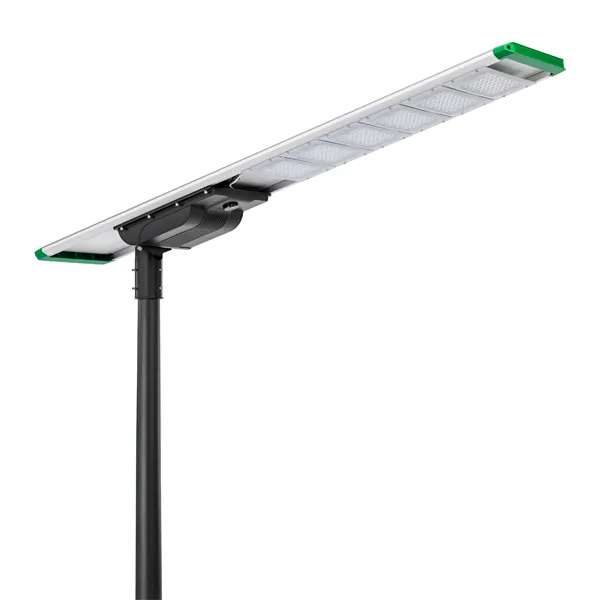
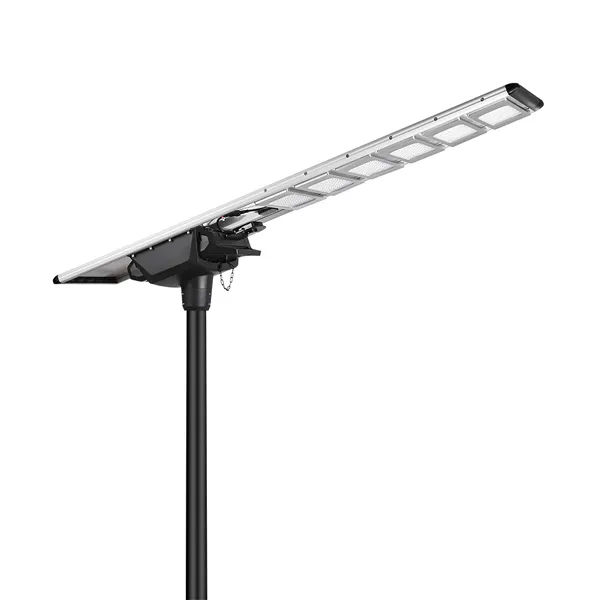
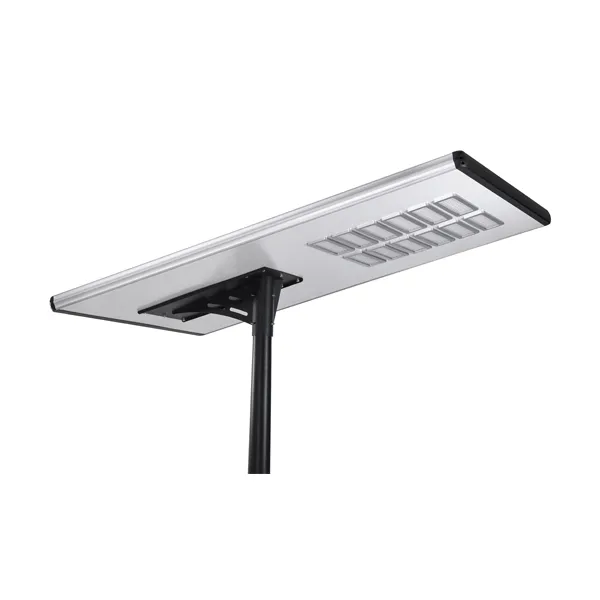
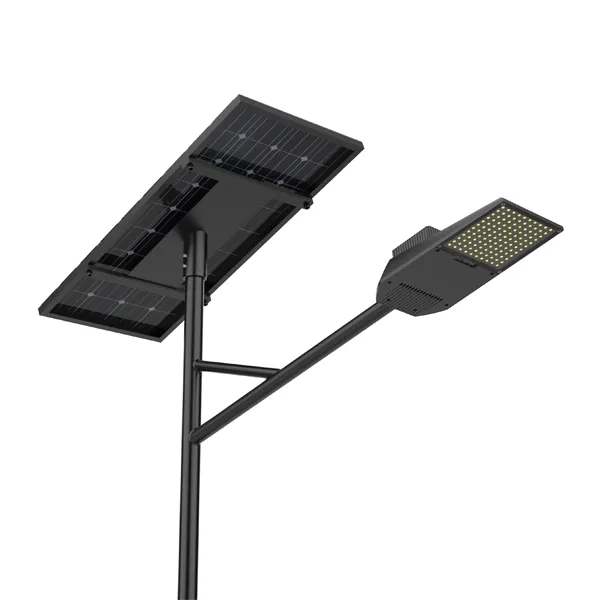
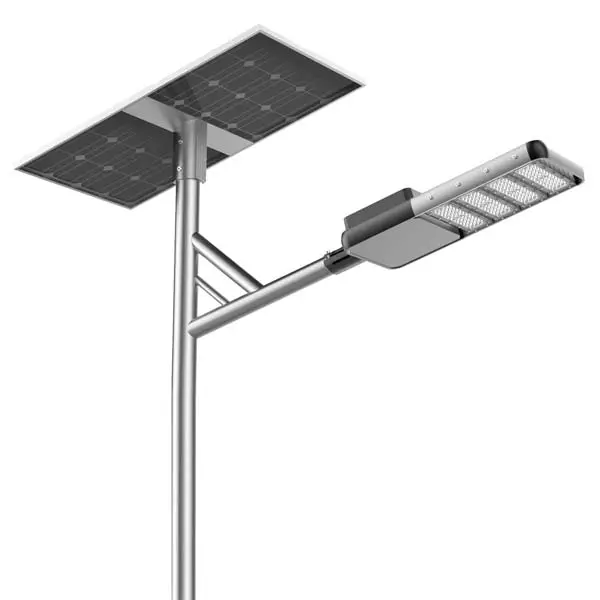
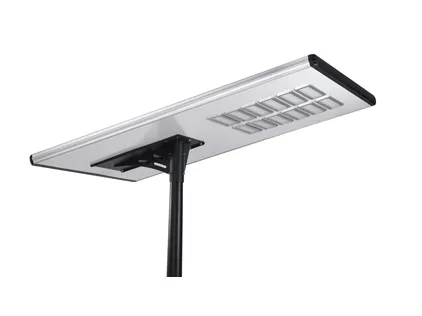
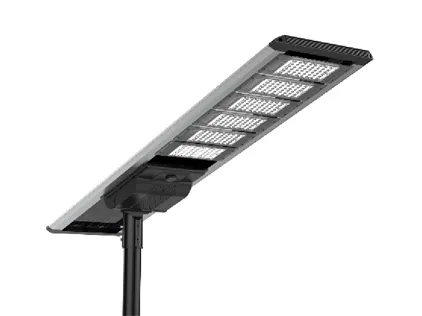
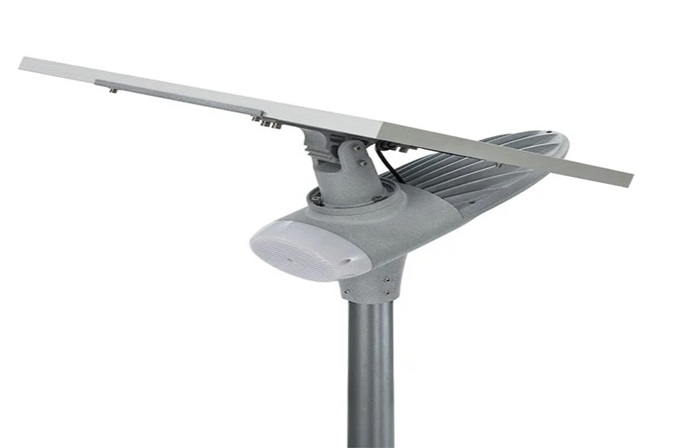
In the modern era of sustainable development, lighting solutions have shifted toward clean energy and intelligent systems. Communities, businesses, and municipalities are increasingly adopting automatic solar street lights to ensure reliable illumination while reducing reliance on conventional electricity. These advanced systems integrate solar panels, energy storage, and smart sensors to provide seamless lighting with minimal human intervention. Companies like Shenzhen Beatles Energy Technology Co., Ltd., widely recognized as jkc solar, have been pioneers in this transformation, developing innovative products that combine environmental responsibility with high performance.

The quality of a solar street light depends heavily on the expertise and processes of the automatic solar street light company producing it. At jkc solar, every stage of production is guided by strict standards, starting with the selection of high-efficiency solar panels capable of converting sunlight into maximum energy. The company uses long-life lithium batteries to ensure energy storage remains stable even in challenging weather conditions. LED chips are carefully chosen for brightness and longevity, delivering clear illumination with low energy consumption. Precision in assembling these components guarantees that the lights function effectively without frequent breakdowns, meeting global expectations for durability and sustainability.
To understand why the role of an automatic solar street light company is becoming increasingly important, it is useful to compare these advanced lighting systems with traditional options.
Feature | Conventional Street Light | Automatic Solar Street Light |
Power Source | Grid electricity | Renewable solar energy |
Operating Costs | High monthly electricity bills | Minimal after initial installation |
Installation Process | Requires cabling and trenching | Simple, independent setup |
Maintenance Requirements | Frequent electrical repairs | Occasional cleaning and battery check |
Automation Level | Manual control or timers | Smart sensors for dusk-to-dawn operation |
Environmental Impact | Carbon emissions from grid power | Clean, eco-friendly lighting |
This comparison illustrates how automatic solar street lights provide not only operational savings but also significant environmental benefits, making them an ideal choice for modern communities aiming to adopt smart city technologies.
One of the defining features of a leading automatic solar street light company is its dedication to innovation. jkc solar invests heavily in research and development, exploring improvements in photovoltaic efficiency, battery storage technology, and smart lighting controls. The integration of intelligent systems, such as motion sensors and adaptive brightness, enhances energy conservation and user safety. These advancements ensure that the lights not only function efficiently but also adapt to the needs of different urban and rural environments. Through constant technological progress, companies like jkc solar maintain their competitive edge while driving the global shift toward renewable lighting solutions.
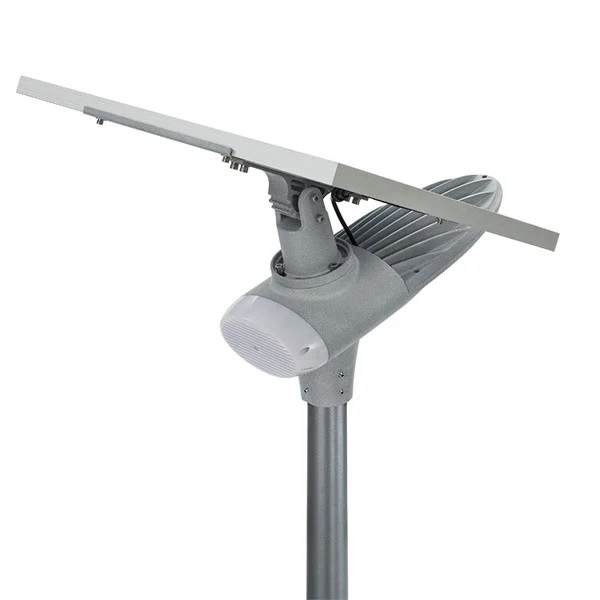
High-quality automatic solar street lights are designed to provide stable illumination over many years, even under demanding conditions. Proper manufacturing ensures that the systems remain weather-resistant, rustproof, and capable of withstanding varying climates. With minimal maintenance requirements, communities can benefit from long-term cost savings while maintaining reliable outdoor lighting. Beyond economic advantages, the adoption of solar-powered street lighting contributes to global sustainability goals by lowering greenhouse gas emissions and reducing dependency on non-renewable energy. As more cities worldwide implement these systems, the role of the automatic solar street light company becomes essential in shaping a cleaner, safer, and more efficient future.
 EN
EN
 ja
ja  fr
fr  de
de  es
es  pt
pt  ar
ar  tr
tr  tl
tl  ms
ms  id
id